Offline and connection
Printer not showing up Windows 11: how to get it detected again
Written by Fix a Printer Editorial Team · Updated
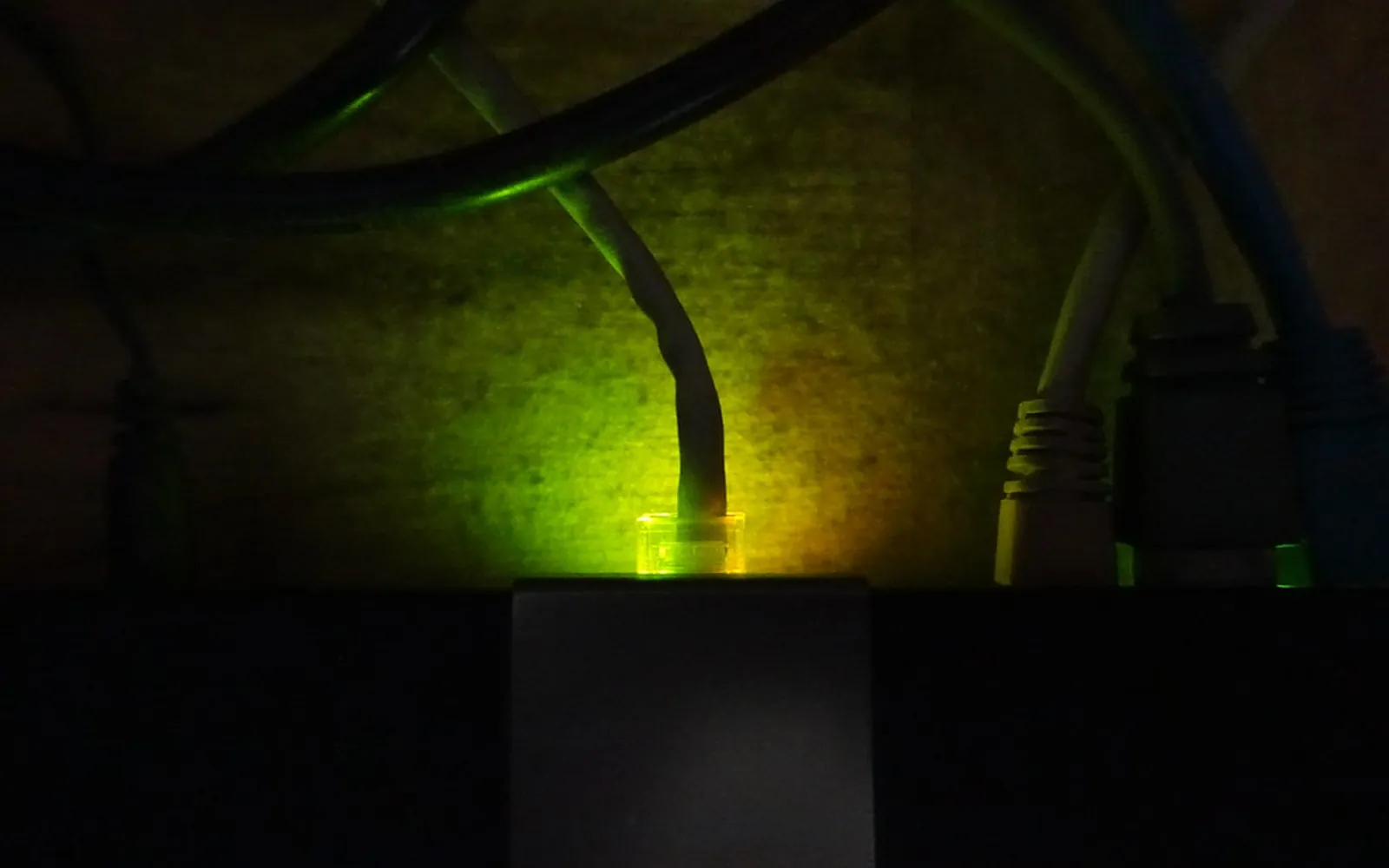
If you are dealing with a printer not showing up Windows 11 problem, the printer itself is usually fine: Windows simply cannot see it. Either the PC is looking on the wrong network, network discovery is switched off, or (for USB printers) the connection or driver is missing. This guide covers the checks in the order that solves the most cases fastest, and shows how to add the printer by IP address so you do not depend on discovery at all.
If the printer used to appear but now shows as Offline, that is a different problem; see the printer offline fix. This page is for printers that do not appear in the list at all.
Step 1: Check the basics on the printer
- Make sure the printer is switched on and not showing an error or a sleep screen.
- For a wireless printer, look at its display or lights to confirm it is connected to Wi-Fi. If it keeps dropping off, fix that first with printer won’t stay connected to Wi-Fi.
- Print a network configuration page (sometimes called network status or network report) from the printer’s control panel. It shows the network name the printer is on and its IP address. Keep this page; you will need it.
- Restart the printer and the PC. If other devices are also having connection trouble, restart the router too, and wait until the printer reconnects before you continue.
Step 2: Try “Add device” properly
- Open Settings > Bluetooth & devices > Printers & scanners.
- Check whether the printer is already in the list, perhaps under a slightly different name.
- Next to Add a printer or scanner, select Add device.
- Wait. The search can take a minute. When your printer appears, choose Add device next to it.
If the list stays empty or your printer never appears, continue with the network checks below rather than clicking Refresh repeatedly.
Step 3: Make sure the PC and printer are on the same network
Windows can only discover printers on the same local network. Compare the network name on the configuration page with the Wi-Fi network your PC is using (click the network icon on the taskbar). Watch for these traps:
- Guest networks. Many routers isolate devices on a guest network so they cannot see each other. Put both the PC and printer on the main network.
- Two networks with similar names, for example from a router and a separate extender or a second router. Connect both devices to the same one.
- 2.4 GHz and 5 GHz bands. Many printers only support 2.4 GHz. On most routers both bands belong to the same network and devices can still see each other, but some routers or mesh systems keep bands apart. If your router shows two separate names, try connecting the PC to the same band as the printer.
- VPN software on the PC can route traffic away from the local network. Disconnect the VPN while you set up the printer.
Step 4: Set the network to Private and turn on network discovery
Windows sets new networks to Public by default, which hides your PC from other devices and stops printer discovery. On a home or office network you trust, change it to Private:
- Open Settings > Network & internet.
- Select Wi-Fi and then your network’s properties, or select Ethernet for a wired connection.
- Under Network profile type, choose Private network.
Then check network discovery:
- Go to Settings > Network & internet > Advanced network settings > Advanced sharing settings.
- Under Private networks, turn on Network discovery and File and printer sharing.
Try Add device again. Only use Private on networks you control; keep cafe, hotel and other public Wi-Fi set to Public.
Step 5: Add the printer by IP address
This is the most reliable fix, because it does not rely on discovery.
- In Printers & scanners, select Add device and wait until The printer that I want isn’t listed appears, then select Add manually next to it.
- In the Add Printer window, choose Add a printer using an IP address or hostname and select Next.
- Leave Device type on Autodetect or choose TCP/IP Device, type the IP address from the configuration page in Hostname or IP address, and select Next.
- Windows contacts the printer and looks for a driver. If it asks you to choose one, select your manufacturer and model, or select Windows Update to refresh the list and try again.
- Finish the wizard and print a test page.
If Windows cannot reach the printer at that address, check the address again on a fresh configuration page. Printers often get a new IP address after a router restart. To avoid that in future, many routers let you reserve an address for the printer in their DHCP settings; check your router’s manual for where this option is.
Step 6: USB printers
If the printer is connected with a cable and still does not appear:
- Plug the cable directly into the PC, not through a hub, dock or monitor.
- Try a different USB port and, if you have one, a different cable. Printer cables do fail, especially where they bend.
- Turn the printer off, connect the cable, then turn the printer on so Windows sees it arrive.
- Open Device Manager (right-click Start) and look under Print queues, Printers or Other devices. A device with a warning icon means Windows sees it but has no working driver.
Step 7: Install or repair the driver
Windows installs a built-in driver for most current printers, but older models may need one from Windows Update or the manufacturer. In Settings > Windows Update > Advanced options > Optional updates, look under Driver updates. In Printers & scanners, also make sure Download drivers and device software over metered connections is on if your connection is set as metered. If the printer appears but says the driver is unavailable, follow printer driver is unavailable. Download drivers only from Windows Update or the manufacturer’s own website.
Step 8: Restart the Print Spooler service
The Print Spooler service manages every printer on the PC. If it has stopped, printers can vanish from lists or fail to install.
- Press Windows + R, type services.msc and press Enter.
- Find Print Spooler, right-click it and choose Restart (or Start if it is stopped).
- Double-click it and check that Startup type is Automatic.
If it stops again by itself, use the print spooler fix.
Step 9: Check the firewall and security software
Windows Firewall normally allows printer discovery on private networks. To check, open Windows Security > Firewall & network protection > Allow an app through firewall and make sure File and Printer Sharing and Network Discovery are ticked for Private. Third-party security suites can block discovery more aggressively. If pausing one briefly makes the printer appear, turn protection back on and add an exception for the printer in that software instead of leaving it off.
Still not showing up?
Run the printer troubleshooter in the Get Help app, then work through the printer troubleshooting guide. If the printer appears but Windows will not make it the default, see error 0x00000709. If the same printer also fails on a Mac in your home, our guide to a printer not working on Mac helps you tell a printer fault from a computer problem.
Frequently asked questions
Why is my printer not showing up in Windows 11?
Most often the PC and printer are on different networks, the network is set to Public so discovery is off, or the printer has not finished joining the network. For USB printers, a faulty cable or port, or a missing driver, is the usual cause.
How do I add a printer that Windows 11 does not find?
In Settings, Bluetooth & devices, Printers & scanners, choose Add device, then Add manually next to The printer that I want isn't listed. Choose to add the printer using an IP address or hostname and type the address shown on the printer's network configuration page.
Where do I find my printer's IP address?
Print a network configuration or network status page from the printer's control panel, or look in the network or Wi-Fi section of its display menu. Your router's list of connected devices usually shows it too.
Should I set my home network to Private?
On a home or small office network you trust, yes. Public is safer on networks you do not control, such as cafes and hotels, but it hides your PC from other devices, which stops printer discovery.
Will turning off the firewall fix it?
Do not leave it off. If a test with a third-party security suite paused makes the printer appear, add an exception in that software instead. With Windows Firewall, make sure File and Printer Sharing and Network Discovery are allowed on private networks.
Sources
Editorial team
The Fix a Printer team writes and updates independent printer troubleshooting guides, checking Windows and macOS steps against Microsoft and Apple documentation.